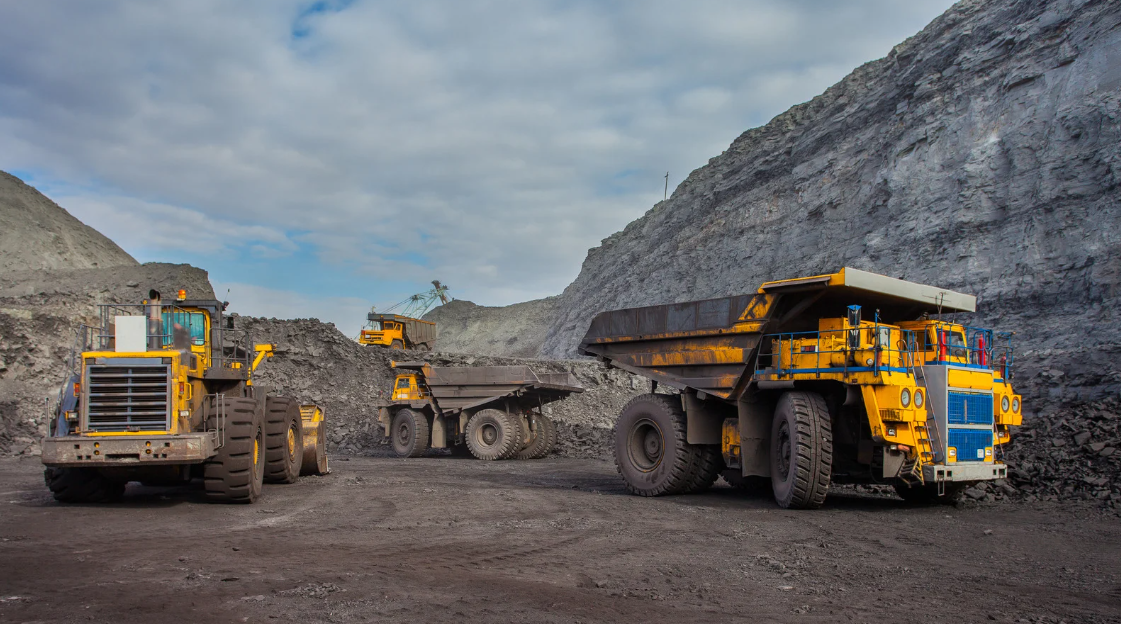
Circular mining is the application of circular-economy principles to the mining sector. It means designing operations so that materials are reused or returned to productive use rather than discarded, and tailings retreatment is a core example.
What does the circular economy mean in mining?
In mining, the circular economy means moving from a linear take-make-dispose model to one where waste streams become inputs for new value creation, following the same reduce-reuse-recycle-recover hierarchy used across industrial ecology more broadly, applied to rock, water, and energy instead of consumer packaging. It is about minimising the amount of material that becomes lasting waste and maximising the utility of mined resources.
Which mining waste streams can become resources?
Mining waste streams that can become resources include gold tailings, waste rock, process water, and slag. Waste rock can sometimes be reused as construction aggregate or backfill; process water is recovered through closed-loop circuits rather than repeatedly drawing fresh water; slag from smelting can in some operations be used as an input to cement or construction materials. Tailings are still the most common example because they are already ground and often still contain recoverable metals, a key reason tailings retreat more easily than waste rock. That makes them a natural starting point for circular mining in Ghana.
How does tailings retreatment embody circular mining?
Recovering gold from tailings in Ghana embodies circular mining on three fronts at once: it recovers economic value from material that was previously discarded, it reduces the volume of waste requiring long-term storage, and it can enable progressive land reclamation on ground that would otherwise have stayed occupied by an inactive dump indefinitely. Delivering value, removing hazard, and returning land to productive use together, rather than any one of them alone, is the core promise of circular mining.
What are the economics of circularity?
The economics of circular mining depend on the cost of recovery relative to the value of the recovered material, and on the savings from reduced waste management. When retreatment avoids future closure and water-management costs, it can improve the project's net present value. This is also where a purely cut-off-grade view of a project understates the case: the closure liability a retreatment project avoids by processing and properly re-storing legacy material doesn't show up in a simple grade-versus-processing-cost calculation, but it is a real economic benefit that circular framing captures and a narrow processing-cost view does not.
Can circular mining scale beyond tailings?
Yes, circular mining can scale beyond tailings to include waste rock reuse, water recycling, and processing by-products. Tailings are usually the first focus because they are already processed, but a broader circular approach can drive further efficiency gains across the mine site.
The emissions case for circularity
Circular approaches generally carry a lower carbon footprint than an equivalent amount of virgin extraction, because retreatment skips the most energy-intensive stages of mining: blasting, hauling, and primary comminution. That's the same capital and energy intensity tailings vs waste rock identifies as one of the biggest cost differences between the two materials, and the same logic applies to their relative carbon intensity.
Closing the loop on the retreatment plant's own residue
A genuinely circular retreatment project also closes the loop on the tailings its own plant produces, re-depositing that second-generation material responsibly rather than simply creating a new, smaller version of the original problem, the same disposal question addressed on gold processing plants for tailings.
Why investors increasingly apply this lens
Investors increasingly screen opportunities through an ESG lens alongside pure economics, and circular projects tend to score well on that screen for the same reasons described on mining investment opportunities in Ghana.
Circular mining is investable
See how tailings retreatment turns this circular-economy case into a concrete investment opportunity in Ghana.
See how it's investable