Can Gold Be Recovered from Tailings?
Yes, gold can be recovered from tailings when grade, deportment and tonnage support a recovery route. Practical testwork determines the right method.
Read article →Blogs & Insights / Recovery Methods
Whether tailings gold is recoverable, and the full method families used to recover it: gravity, flotation, cyanide and alternative leaching, pre-concentration, and the combined flowsheets that tie them together.
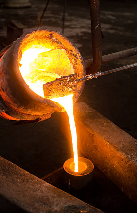
Yes, gold can be recovered from tailings when grade, deportment and tonnage support a recovery route. Practical testwork determines the right method.
Read article →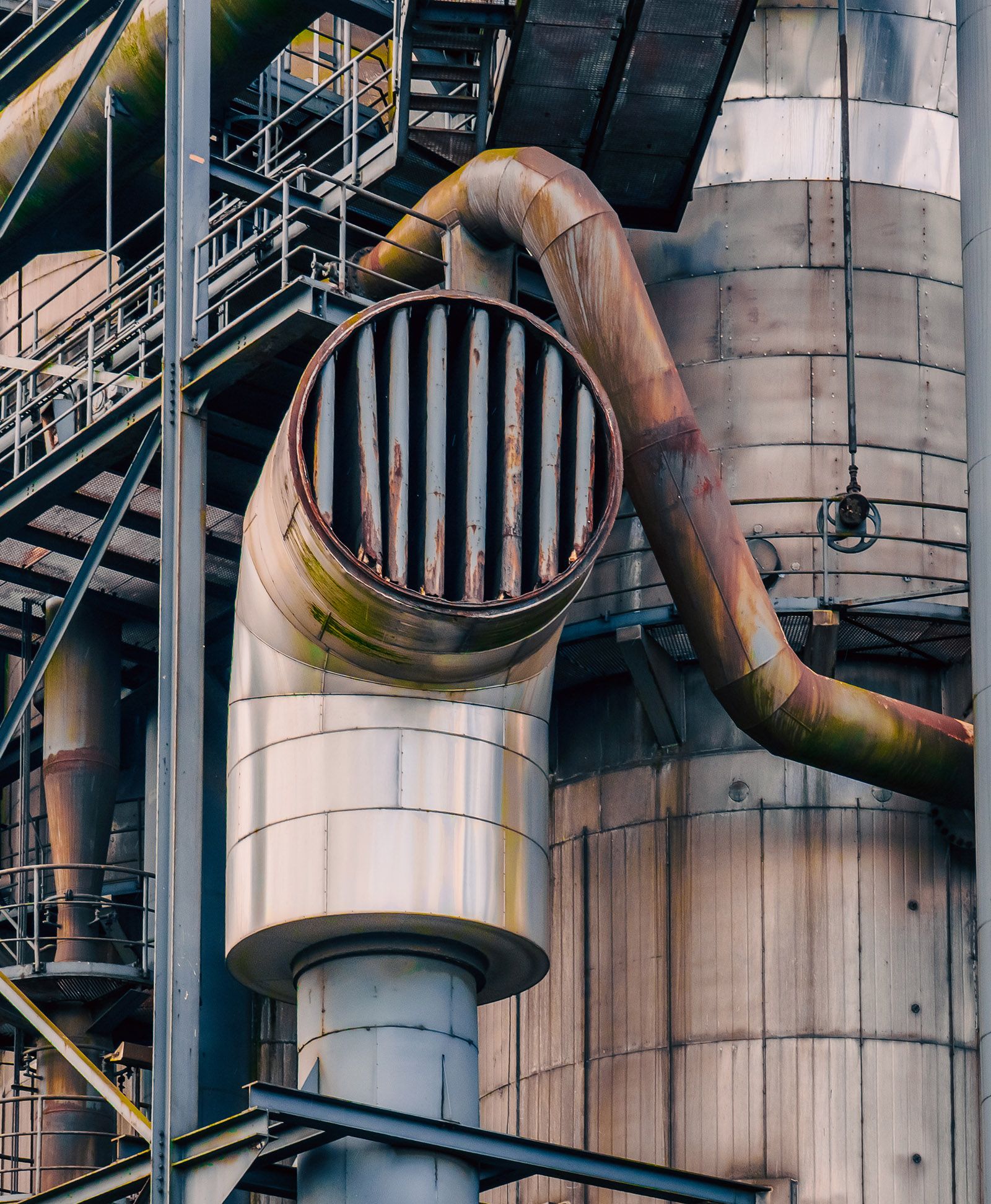
Tailings gold recovery methods explain gravity, flotation, CIL, and hybrid flowsheets for retreating gold-bearing tailings in Ghana.
Read article →
Gravity recovery separates gold from gangue using density difference, recovering free, liberated gold cheaply before any reagent-consuming stage.
Read article →
Knelson concentrators recover gold from tailings using centrifugal force, capturing fine free gold that older gravity equipment misses.
Read article →
Falcon concentrators recover gold from tailings using a smooth-bowl centrifugal design, with SB and UF models suited to different duty.
Read article →
Spiral concentrators recover gold from tailings using a helical trough, offering lower capital cost and higher throughput than centrifugal units.
Read article →
Shaking tables clean and upgrade gravity concentrate from tailings, almost always as a cleaning stage rather than primary recovery.
Read article →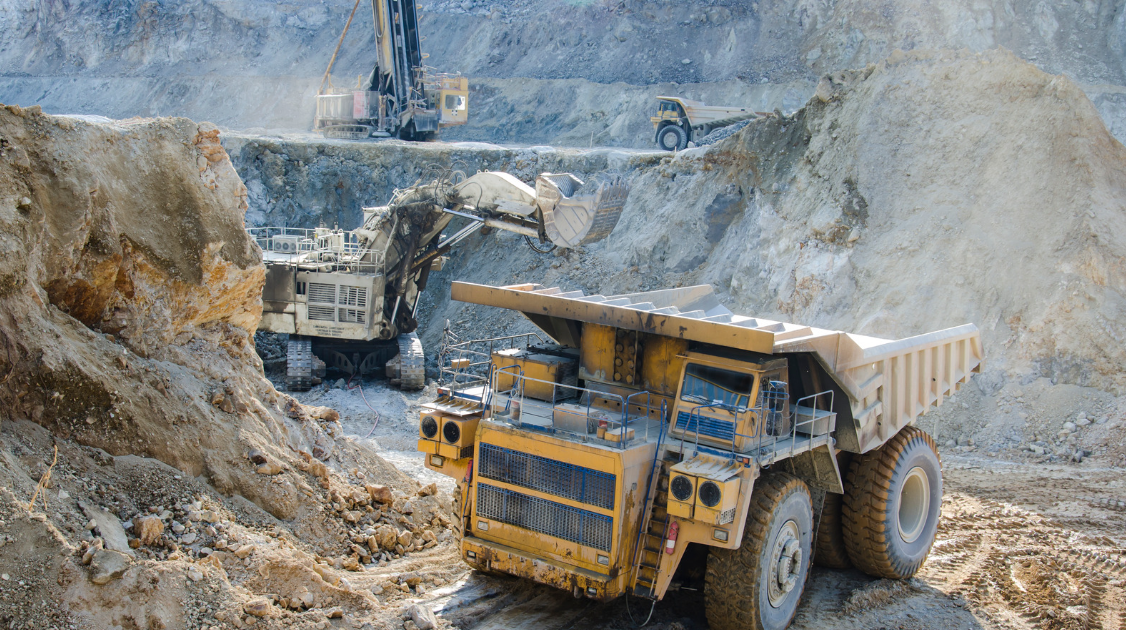
Centrifugal gravity separation recovers finer gold than conventional gravity separation, at the cost of higher capital and power per tonne.
Read article →
Fine gold recovery targets particles below roughly 75 microns, the size threshold where conventional gravity equipment stops capturing gold efficiently.
Read article →
Carbon-in-leach recovers fine and surface-bound gold from tailings by dissolving and adsorbing it in the same tank, the standard final stage of a modern flowsheet.
Read article →
Carbon-in-pulp recovers gold from tailings by leaching first and adding carbon afterward in separate tanks, splitting into two stages what CIL does at once.
Read article →
CIL suits most tailings retreatment better than CIP because fine, oxidized tailings gold generally leaches fast enough for simultaneous adsorption to work.
Read article →
Cyanidation dissolves gold into solution via the Elsner equation, the chemistry behind both CIL and CIP.
Read article →
Flotation recovers gold from tailings indirectly, by floating the sulphide minerals gold is commonly associated with to the surface as a froth.
Read article →
Leaching only the flotation concentrate rather than the whole feed concentrates cyanide demand onto a small, upgraded fraction of the mass.
Read article →
Refractory gold resists standard cyanidation until an oxidative pretreatment, roasting, BIOX, or pressure oxidation, breaks it open.
Read article →
Ultrafine gold sits at or past the practical recovery limit of gravity, flotation, and even leaching alike in tailings retreatment.
Read article →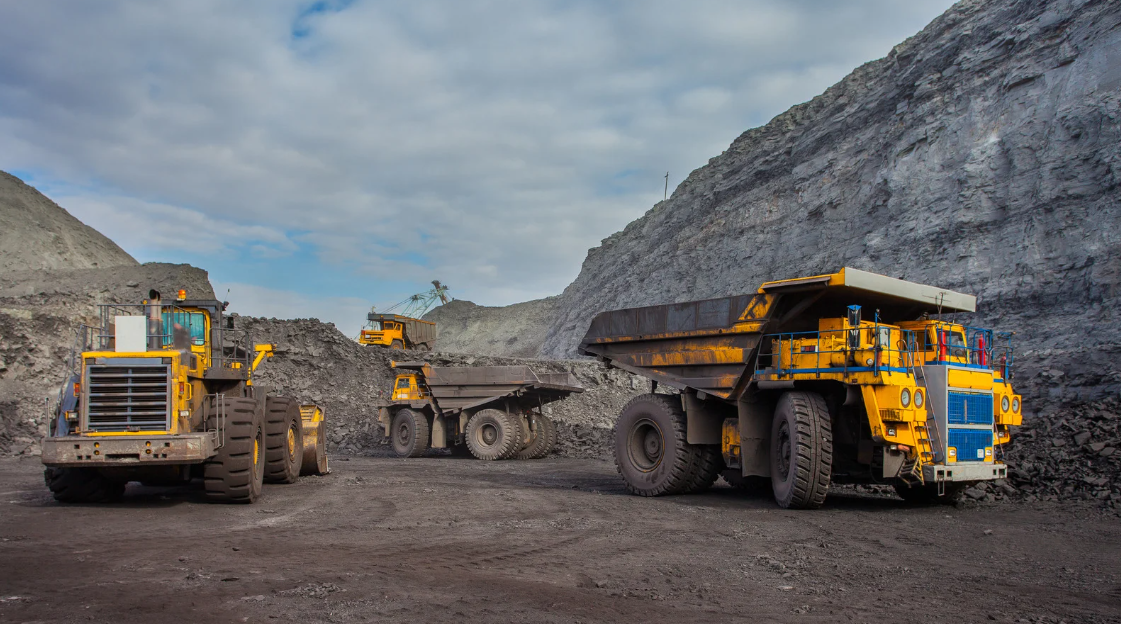
Heap leaching reprocesses tailings on a lined pad with cyanide irrigation over weeks or months, a lower-capital alternative to tank leaching.
Read article →
Thiosulphate leaching dissolves gold using a copper-ammonia catalyzed system, a genuine but conditional alternative to cyanide.
Read article →
Glycine-based leaching and other emerging lixiviants aim to cut reagent cost and footprint, but remain early-stage relative to cyanidation.
Read article →
Magnetic and dense media separation pre-concentrate gold tailings by rejecting barren gangue in bulk before gravity, flotation or leach circuits.
Read article →
Combined gravity-leach flowsheets recover gold from tailings in two sequential stages, gravity capturing coarse gold first, leaching the rest.
Read article →